
Pi lwen pase yon dout rezonab

.jpeg)


Language


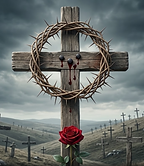


God’s deliverance of the Israelites from slavery in Egypt and serving as the primary biblical foreshadowing of redemption.
The Passover (Hebrew: Pesach, פֶּסַח) is the foundational spring feast of the biblical calendar, commemorating God’s deliverance of the Israelites from slavery in Egypt and serving as the primary biblical foreshadowing of redemption.
1. Biblical Origin & The Exodus (Exodus 12)
Passover originated on the night of the tenth plague brought upon Egypt:
The Lamb: Each Hebrew household was commanded to take an unblemished, male, year-old lamb or goat on the 10th of Nisan and keep it until the 14th day.
The Blood on the Doorposts: On the twilight of the 14th of Nisan, the lamb was slain, and its blood applied to the two side posts and the lintel of the doorway.
The "Passing Over": God declared: "When I see the blood, I will pass over you; and the plague shall not be on you to destroy you" (Exodus 12:13).
The Meal: Eaten in haste that night—roasted lamb with bitter herbs (maror) and unleavened bread (matzah), with sandals on and staff in hand, ready to depart Egypt.
2. The Spring Feasts Connection
Passover is the first of three interconnected spring festivals:
Passover (Pesach): 14th of Nisan — The sacrifice of the lamb and deliverance from judgment.
Feast of Unleavened Bread (Chag HaMatzot): 15th–21st of Nisan — Seven days of eating unleavened bread, symbolizing purity and departure from the "leaven" of Egypt/sin.
Feast of Firstfruits (Yom HaBikkurim): The day after the Sabbath during the week — Offering the first sheaf of the barley harvest, celebrating life and God's first provision.
3. Prophetic & Theological Significance
In Christian theology and the New Testament, the Passover finds its ultimate spiritual fulfillment:
The Lamb of God: John the Baptist pointed to Jesus, saying, "Behold! The Lamb of God who takes away the sin of the world!" (John 1:29).
The Ultimate Sacrifice: Paul writes in 1 Corinthians 5:7, "For indeed Christ, our Passover, was sacrificed for us."
The New Covenant: During the Last Supper (a Passover meal), Jesus took the unleavened bread and the cup of wine, instituting communion as the remembrance of His body broken and His blood shed for the remission of sins (Luke 22:19–20).
Firstfruits Resurrection: Jesus rose on the Feast of Firstfruits, becoming "the firstfruits of those who have fallen asleep" (1 Corinthians 15:20).
4. Key Elements of the Seder Table
Over generations, the Passover meal developed into the structured Seder (meaning "Order"), centered around retelling the Exodus (Haggadah):
Matzah: Unleavened bread, representing humility and the haste of leaving Egypt.
Maror: Bitter herbs (e.g., horseradish), recalling the bitterness of slavery.
Charoset: A sweet paste of apples, nuts, and wine, symbolizing the mortar used to build Egyptian bricks.
Karpas: A green vegetable dipped in salt water, symbolizing spring and tears shed in bondage.
Zeroa & Beitzah: A roasted shank bone (recalling the Passover lamb) and a roasted egg (symbolizing mourning and new life/the Temple offerings).
Four Cups of Wine: Based on God's four "I will" promises in Exodus 6:6–7 (Sanctification, Deliverance, Redemption, and Praise).